
Our Team
-
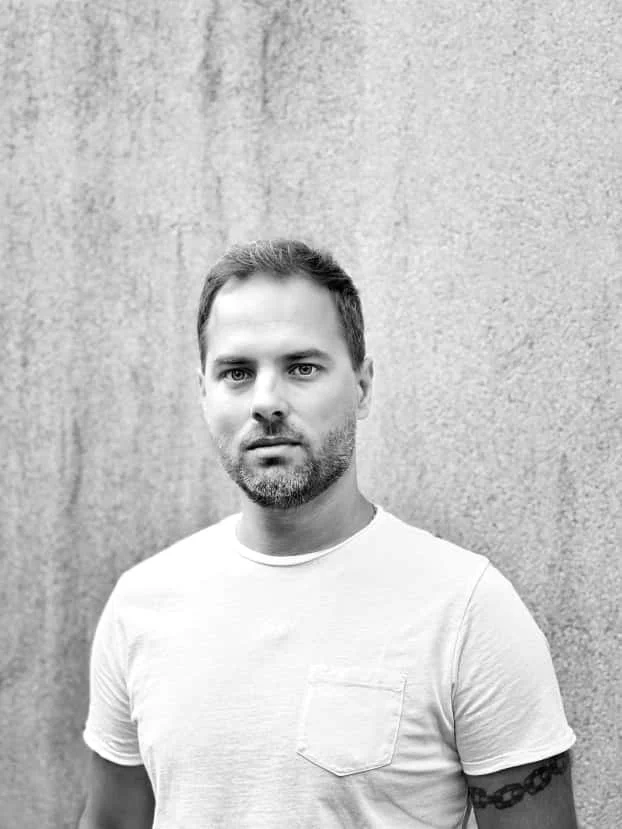
Co-founderGiovanni has over 15 years of experience leading teams and driving change in some of the world’s most complex crises, including Syria, the DRC, Libya, Tunisia, and South Sudan. He has directed country programs, managed large-scale emergency operations, and coordinated humanitarian responses across multiple regions, with a strong focus on principled access, negotiation, and systems reform.
A certified member of the International Coaching Federation, Giovanni brings a neuroscience-based, solutions-focused approach to leadership and organizational development. He holds a Master’s Degree in Global Diplomacy from SOAS, University of London, where his work explored intersectional feminist perspectives on international relations and power dynamics in global governance.
-
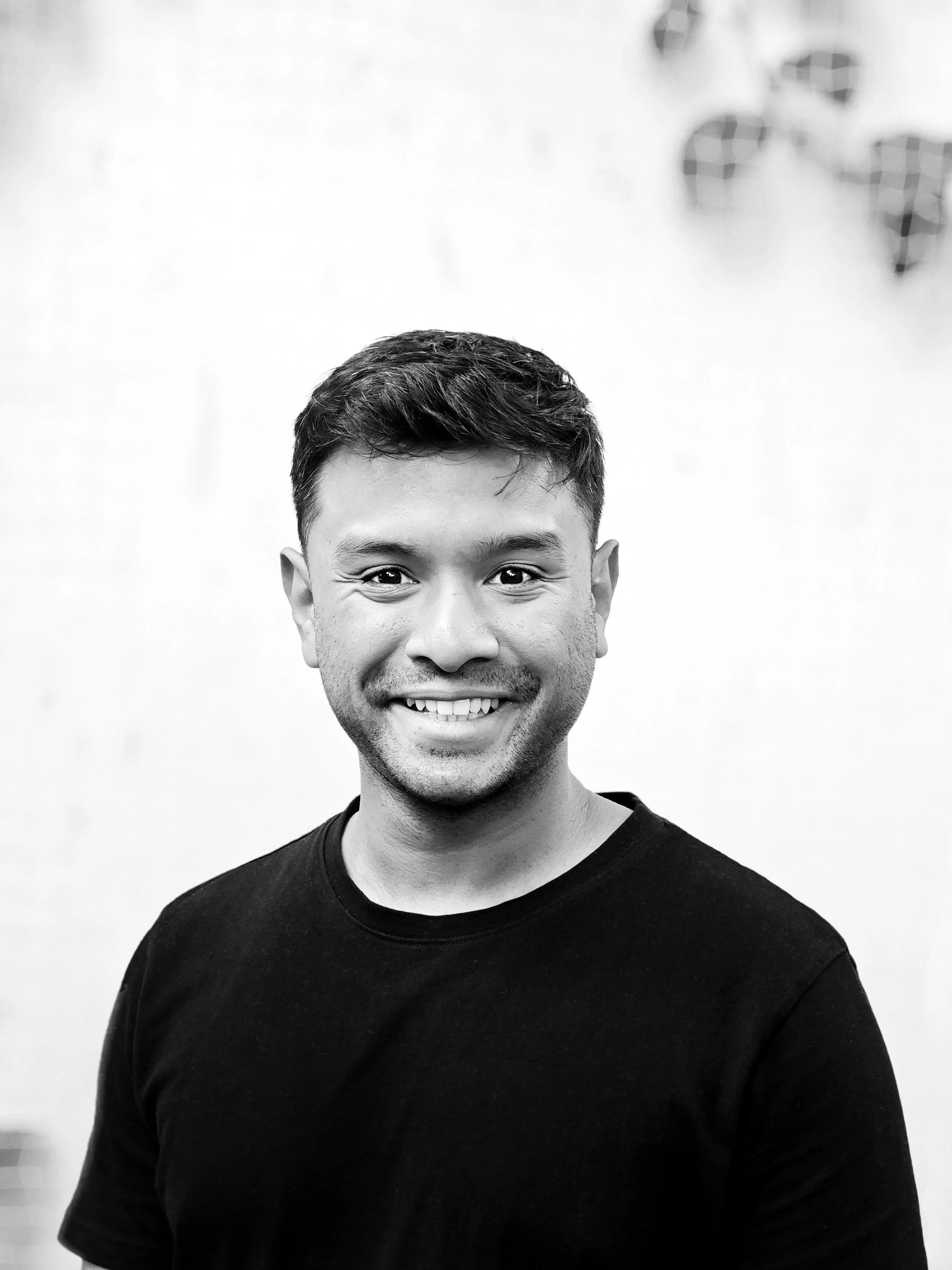
Co-founderImrul is a humanitarian with 9 years of experience at the intersection of civil rights, humanitarian diplomacy, and systems reform. He has led programming, advocacy, coordination, and government engagement across Myanmar, Syria, Iraq, Bangladesh, and the United States; helping shape principled aid policy and practice in some of the world’s most complex environments.
A Certified Mediator and Negotiator, Imrul brings a focus on dialogue, accountability, and leadership under pressure. His work bridges research and practice—drawing on field realities to inform strategy, and using advocacy to unlock access and ethical reform within humanitarian systems. He holds an M.A. in Conflict Resolution from Georgetown University, with a focus on humanitarian emergencies.
-
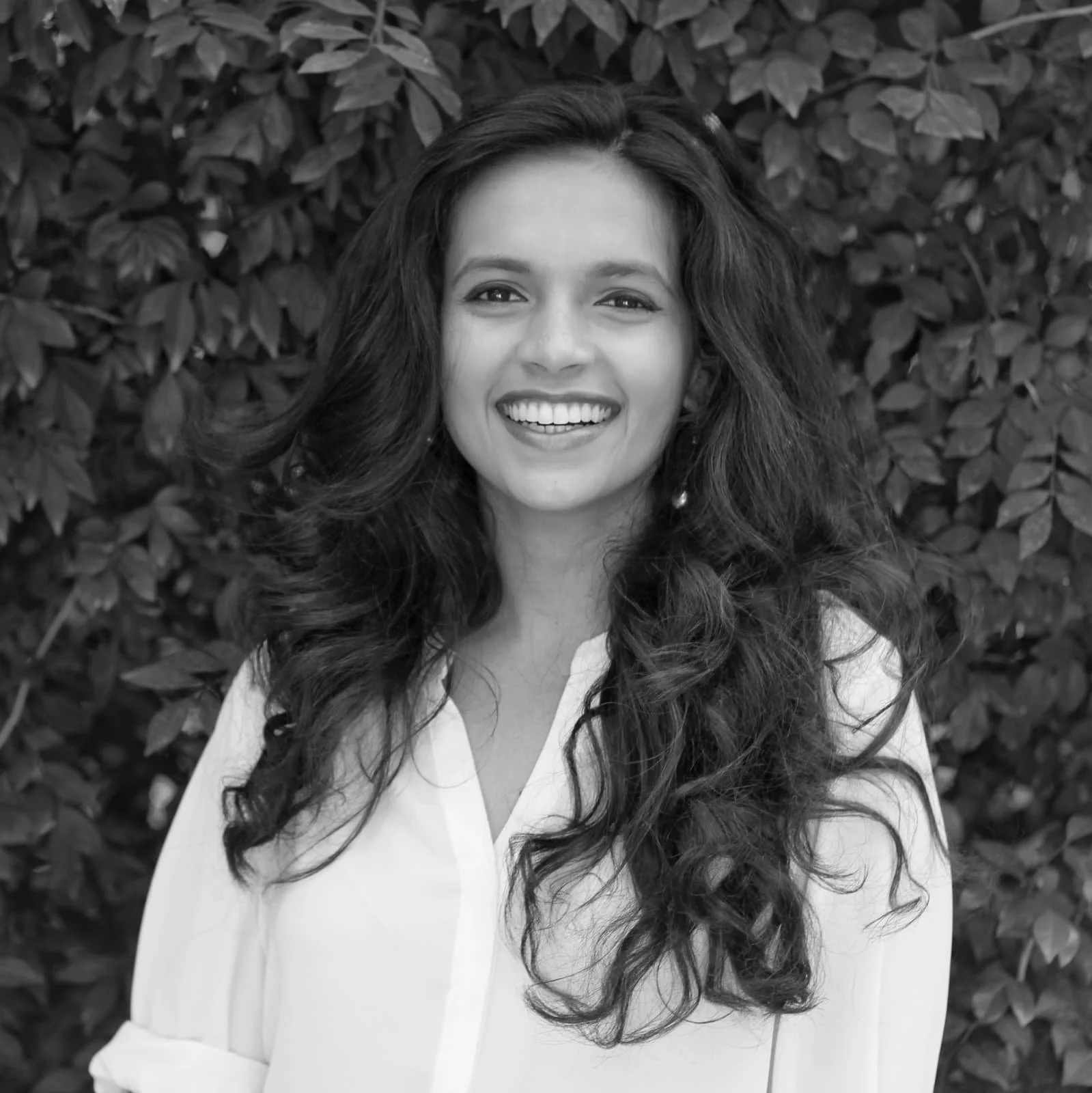
Senior Adviser, PartnershipsSana has six years of experience stewarding partnerships for global non-profits and think tanks, working with corporate donors, private foundations, and individual giving networks to mobilise and manage multi-year funding portfolios. She has led donor acquisition strategies, structured renewal pipelines, and built partnership models that align philanthropic capital with programmatic delivery, particularly in education and community development contexts.
Her work includes developing individual giving platforms and retail fundraising channels, as well as supporting cross-sector partnerships that integrate gender and equity considerations into programme design.
Sana’s public scholarship focuses on displacement, humanitarian access, and climate-related vulnerability. A certified mediator, she holds a Master’s degree in Conflict Resolution from Georgetown University, with a focus on displacement and refugee issues.
-
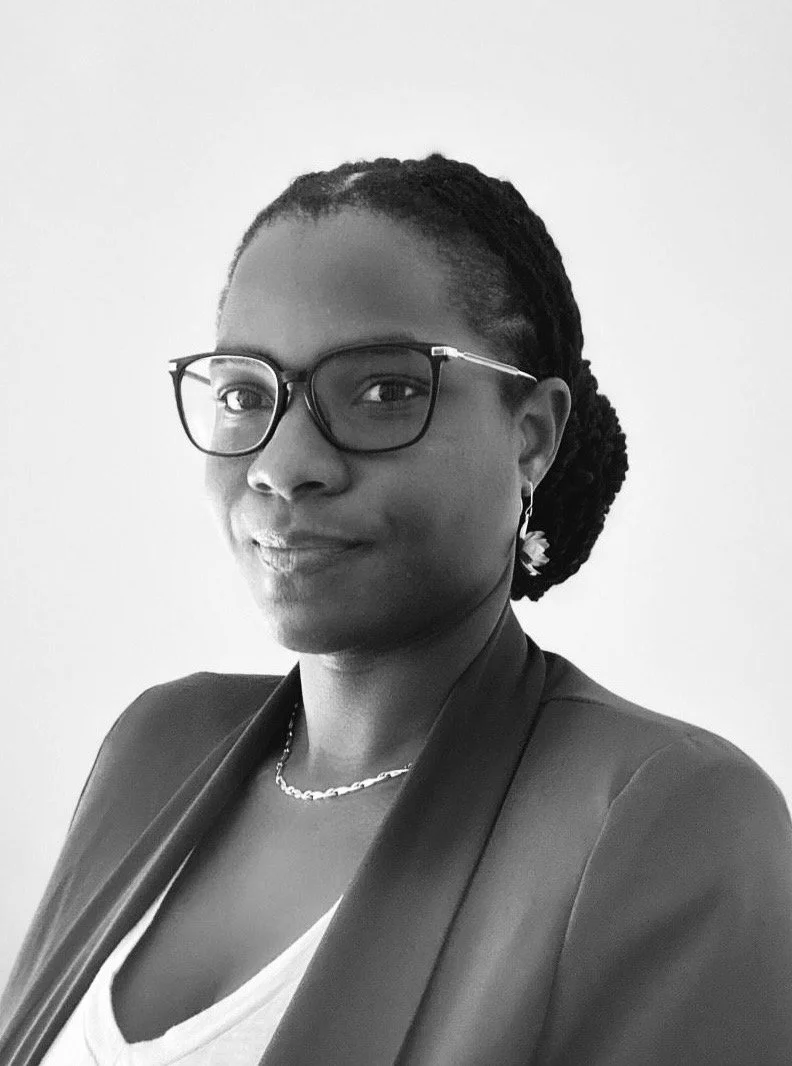
Senior Adviser, Organisational Integrity & EvaluationMarla has over ten years of experience strengthening accountability, investigating fraud, and building ethical compliance systems in some of the world's most challenging humanitarian contexts, including the DRC, South Sudan, Ethiopia, Chad, Kenya, Yemen, Haiti, and the Central African Republic. She has led forensic investigations into fraud, corruption, conflict of interest, workplace misconduct, and safeguarding violations, designed whistleblowing mechanisms and anti-fraud frameworks for large multi-sector portfolios, and built monitoring and evaluation systems that reduce diversion risk and improve programme quality.
A Certified Fraud Examiner and member of the Association of Certified Fraud Examiners, Marla brings rigorous analytical expertise and field-tested operational knowledge to every engagement. She holds a Master's Degree in International Law of Human Rights and Humanitarian Law from Université Panthéon-Assas (Paris II), where her work examined the intersection of legal accountability and humanitarian practice.
Ethics Charter
SIRF was founded to support ethical leadership, courageous decision-making, and systems that serve people — not power. Our consulting reflects these principles at every level: who we work with, how we work, and when we walk away.
1. Do No Harm Is a Baseline, Not a Ceiling
We go beyond “compliance.” Our work is rooted in human dignity, justice, and equity. We choose engagements that align with these values — and challenge those that don’t.
We will not work with:
Entities that directly support, finance, or provide political cover for war crimes, ethnic cleansing, or genocide.
Organisations engaged in extractive or exploitative practices, especially where these harm displaced populations or marginalised communities.
Clients that use advisory work to launder reputations or avoid accountability.
2. Integrity Over Opportunity
We may decline or exit engagements where our work would knowingly shield institutions from necessary scrutiny.
3. Local Before Global
We will prioritise work that:
Creates shared value with impacted communities.
Channels resources — including budget — to local researchers, analysts, and civil society partners.
Recognises that “localisation” is not a buzzword but a redistribution of power.
We will offer pro bono or reduced-cost support to national and local NGOs when feasible — particularly in contexts where our networks and privilege can serve others.
4. We Don’t Have All the Answers
This is a living document. As the world shifts and our practice grows, we will revise and sharpen these standards. In our experience, integrity requires introspection and adaptation, not rigidity.